
South Korea’s AI chip giants are fighting for a bigger role in America’s AI boom
Samsung and SK Hynix dominate the high-bandwidth memory market. Now they are competing to become indispensable to Nvidia, OpenAI, and other U.S. AI companies.
Samsung and SK Hynix dominate the high-bandwidth memory market. Now they are competing to become indispensable to Nvidia, OpenAI, and other U.S. AI companies.
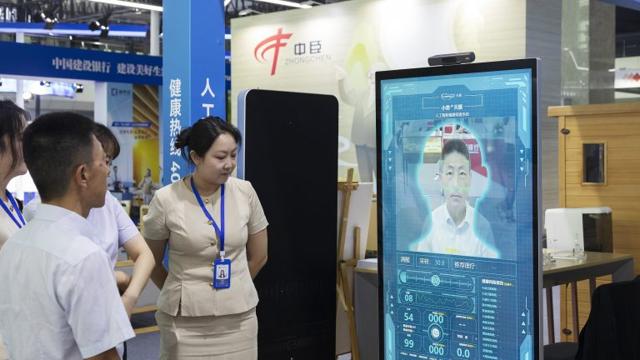
Ruby Wang, a physician and biotech consultant in the U.K., on her upcoming book on the emergence of China as a global health superpower.

Chinese officials and engineers see an attempt to preserve the U.S. lead; “Why do you always get to define the game — and change the rules?”

The U.S. is framing its rivalry with China as one of technical superiority, failing to recognize that public trust and robust consumer protections are necessary for long-term dominance.

The Emirates owns the machines but rents the intelligence. Nvidia’s next free AI model could change that.

In an excerpt from his book, “Innovate for Impact: A Roadmap to Sustainable Technology Beyond AI,” Alessandro Crimi explains that a tax on automation is more effective than retraining labor.

“A massive data center is trying to jump the queue and take our land, water, and energy.”
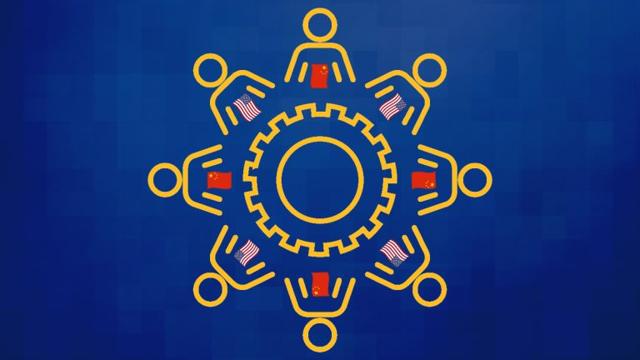
From Latin America to Southeast Asia, countries are dividing their AI investments between the two superpowers rather than choosing one over the other.

Apple’s high-end models cost more in markets like India and Turkey owing to high taxes and import duties.

Far from Silicon Valley pitch decks, workers across Asia and Africa are bypassing tech industry hype to quietly rewire their daily jobs — one prompt, workflow, and local problem at a time.

OpenAI and Anthropic are hiring leaders from Meta, Google, Microsoft, and other U.S. tech giants to win new markets across India and Southeast Asia.

A short-lived generative AI feature in Google Earth that allowed users to create fake satellite imagery shows the lasting effects of unvetted AI tools during a conflict.