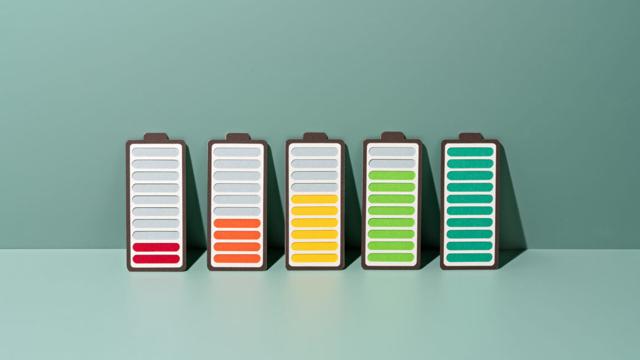
New device captures carbon dioxide by pumping it across a battery
The design requires less energy to capture CO2 than current systems.
The design requires less energy to capture CO2 than current systems.
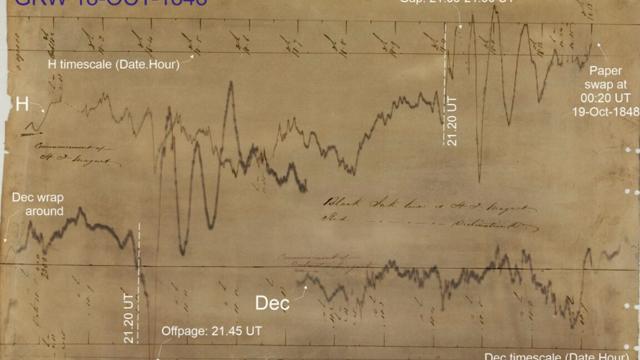
19th century Nature account of 1841 train delayed by geomagnetic storm got year wrong—due to a typo.
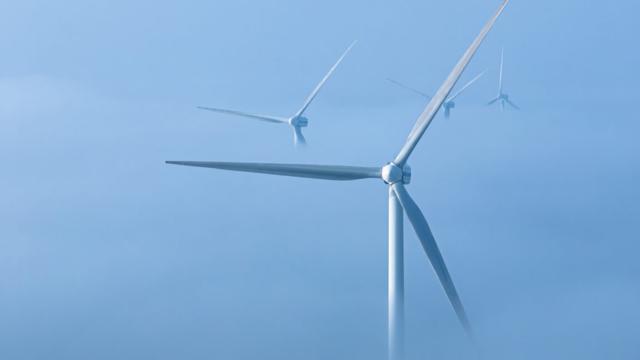
Renewables easily cover changes in US demand, which is rising by 2% in 2026.
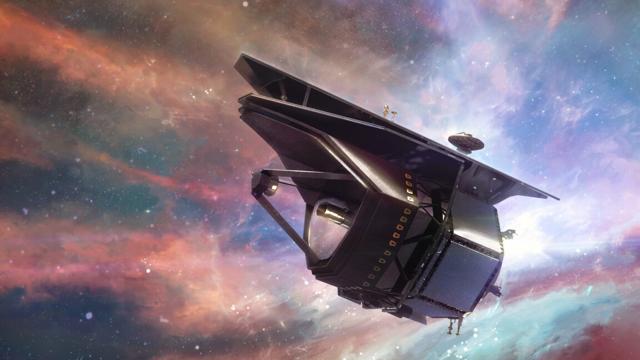
NASA's PRIMA mission will use spare parts from Webb to do major science at a lower cost.
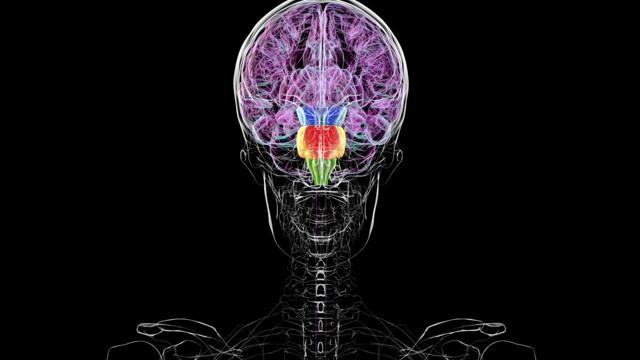
A bad press release makes a good excuse to look at how developmental biology works.
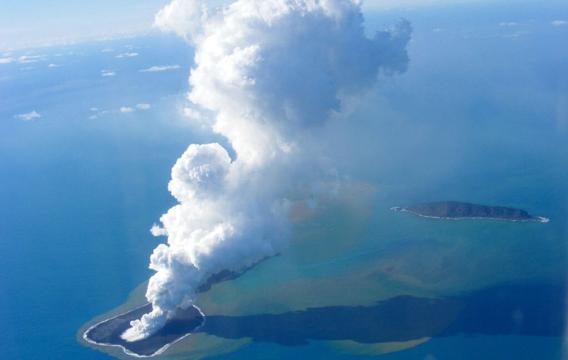
Post-eruption imaging of the Hunga caldera gives new details of its collapse.
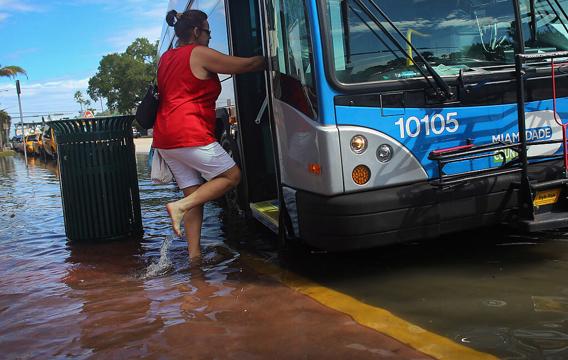
First paper added to community collection is a roadmap for research.
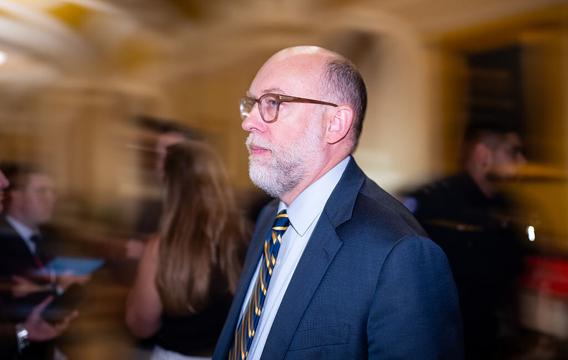
Pending move comes over the objections of the NIH director.
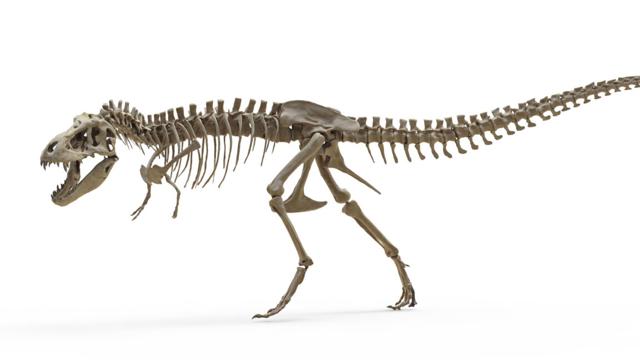
Isotope ratios provide a hint that the giants were actively managing temperatures.
Research suggests that bilingualism can offer cognitive benefits.
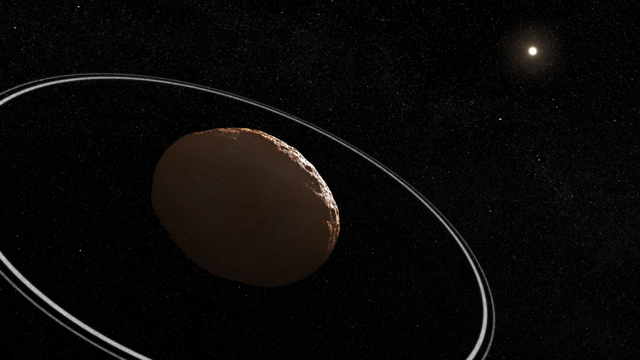
Chariklo is only about 250 km across, but it has two rings, and they're changing.
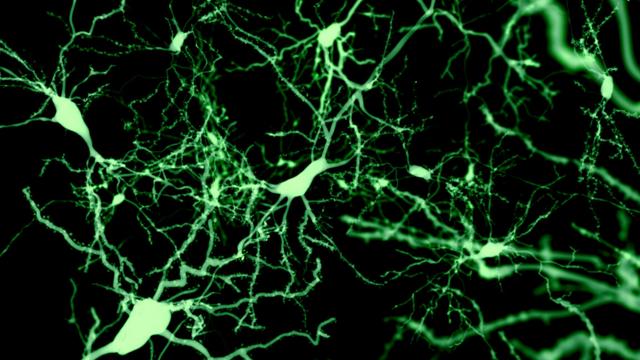
Rare cells with widespread connectivity seem to be able to trigger sleep.
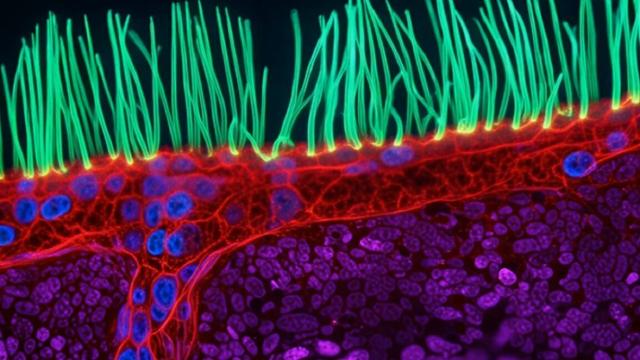
Ning Xu of Tsinghua University captured tiny cilia beating in airways of a child with rare respiratory disorder.
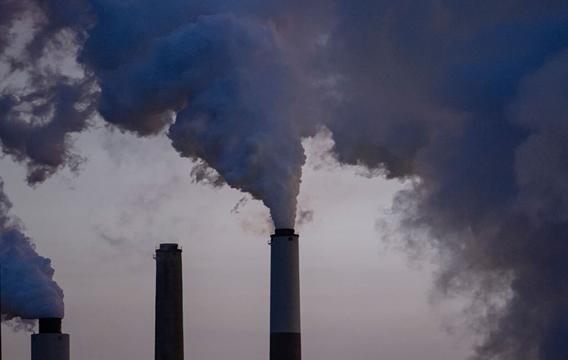
Public health groups warn EPA rule will cost Americans billions in health bills.
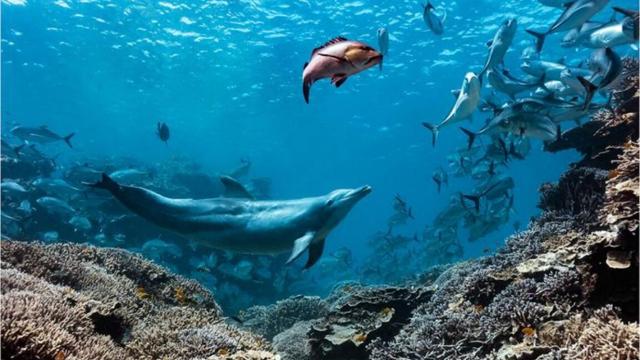
"Dolphins are predators and actively hunt their prey, whether it's been stolen from another species or not.”
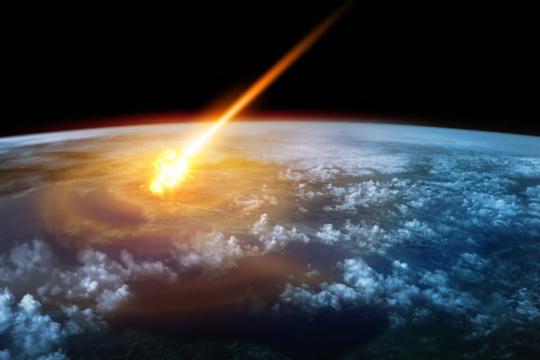
Group plans to be largely out of commission for several weeks.
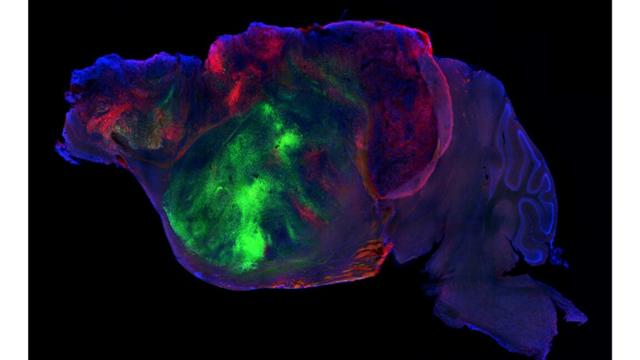
The results are only a slight improvement over missing the entire brain structure.

Even a handheld XRF scanner is sufficient to determine most promising scrolls for further analysis.
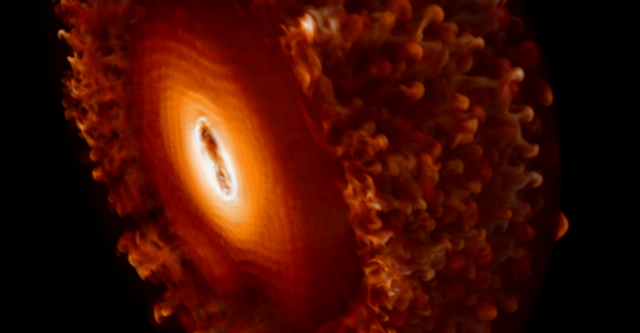
Identity-fluid particles may carry some energy out, leading to direct collapse.
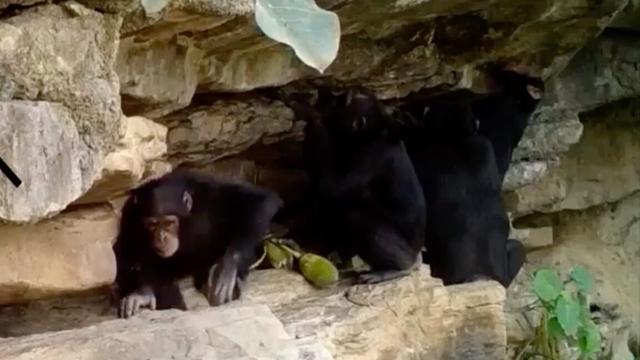
Adults first demonstrate tool use, then hand over the implements to their infants, who copy the behavior.